Caravan and motorhome windows work under different conditions from house windows or car glass. The body opening, the frame system, the weight and the way the interior is used all have to be considered together. This article explains the difference between toughened glass, framed units and double glazing, when each option makes sense, and which details to prepare before you ask for a quotation.
01 / 06
What parts make up caravan window glass?
“Caravan glass” sounds like one part, but a vehicle carries several different panes. Side windows, the rear window, the door glass and fixed panels are the main ones. Each has its own opening, shape and function, and some open while others are fixed.
A travel trailer, a motorhome and a panel-van conversion do not share the same glazing. In conversion projects the opening is often cut afterwards. For every window, the net size, the corner radii of the opening and any curvature should therefore be recorded separately.
The inner and outer face must be defined as well. A screen-printed band, a colour or a frame mark is visible on one face only. If the face is mixed up, a part that has the right size can still end up unusable.
A practical method is to number every window on the vehicle and photograph it. When the number, size and orientation sit in the same file, it is clear during both quotation and production which part belongs in which opening.
02 / 06
What is the difference between toughened, framed and double-glazed units?
Toughened glass is single-ply safety glass that has been heated and then cooled rapidly to harden it. It is designed to break into small pieces instead of large sharp shards. On a vehicle that moves and vibrates, this behaviour makes toughened glass a common choice.
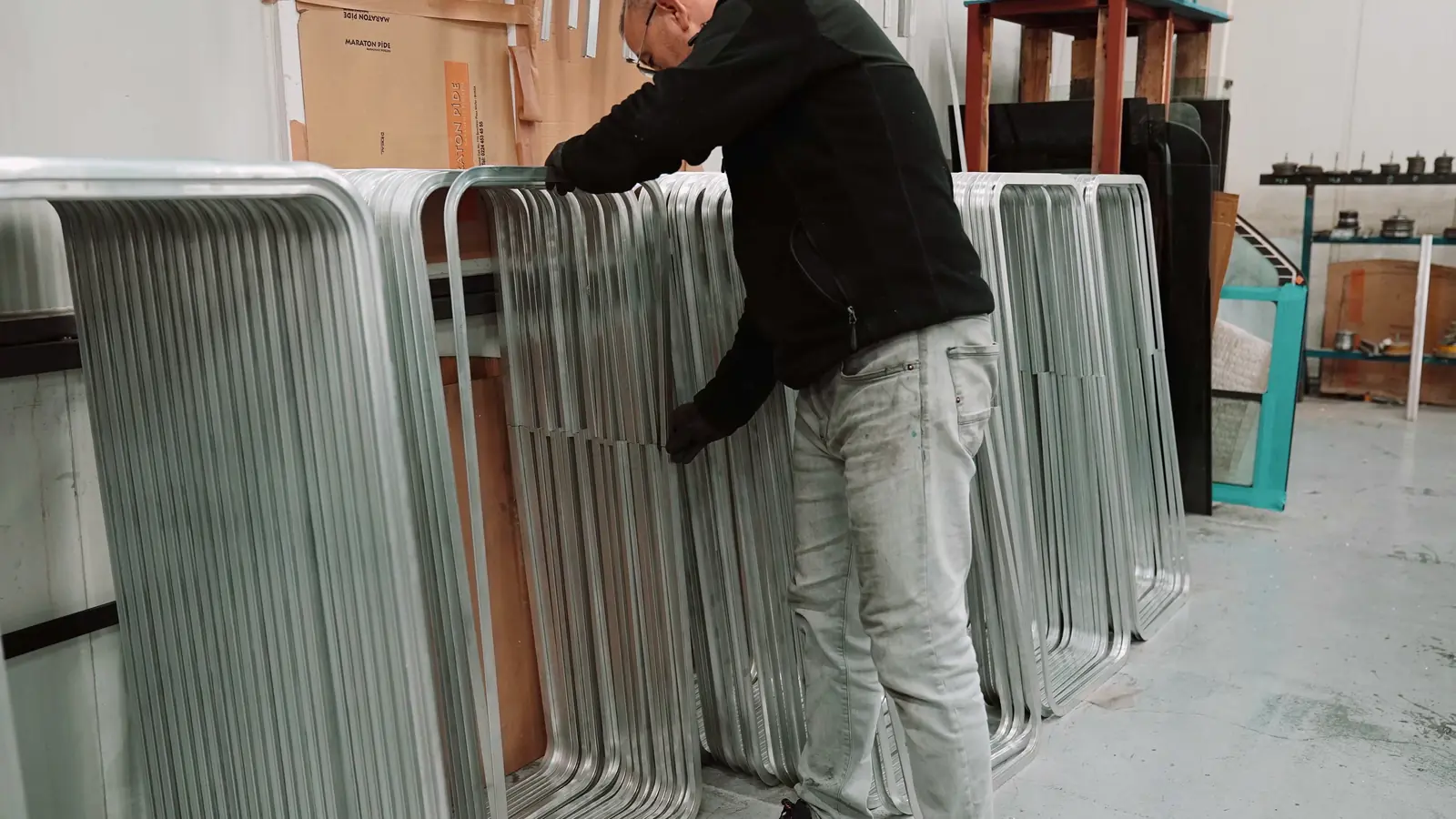
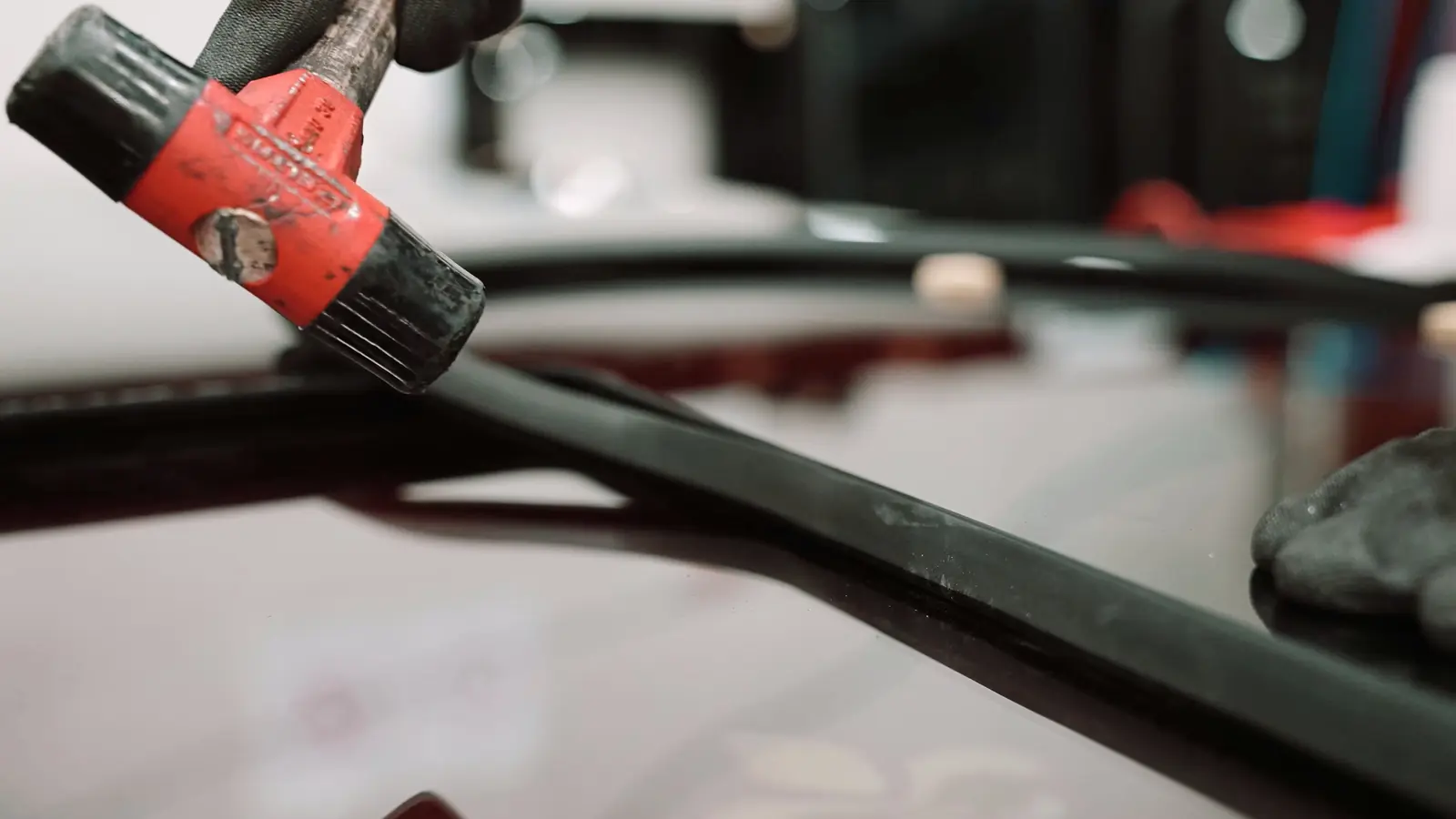
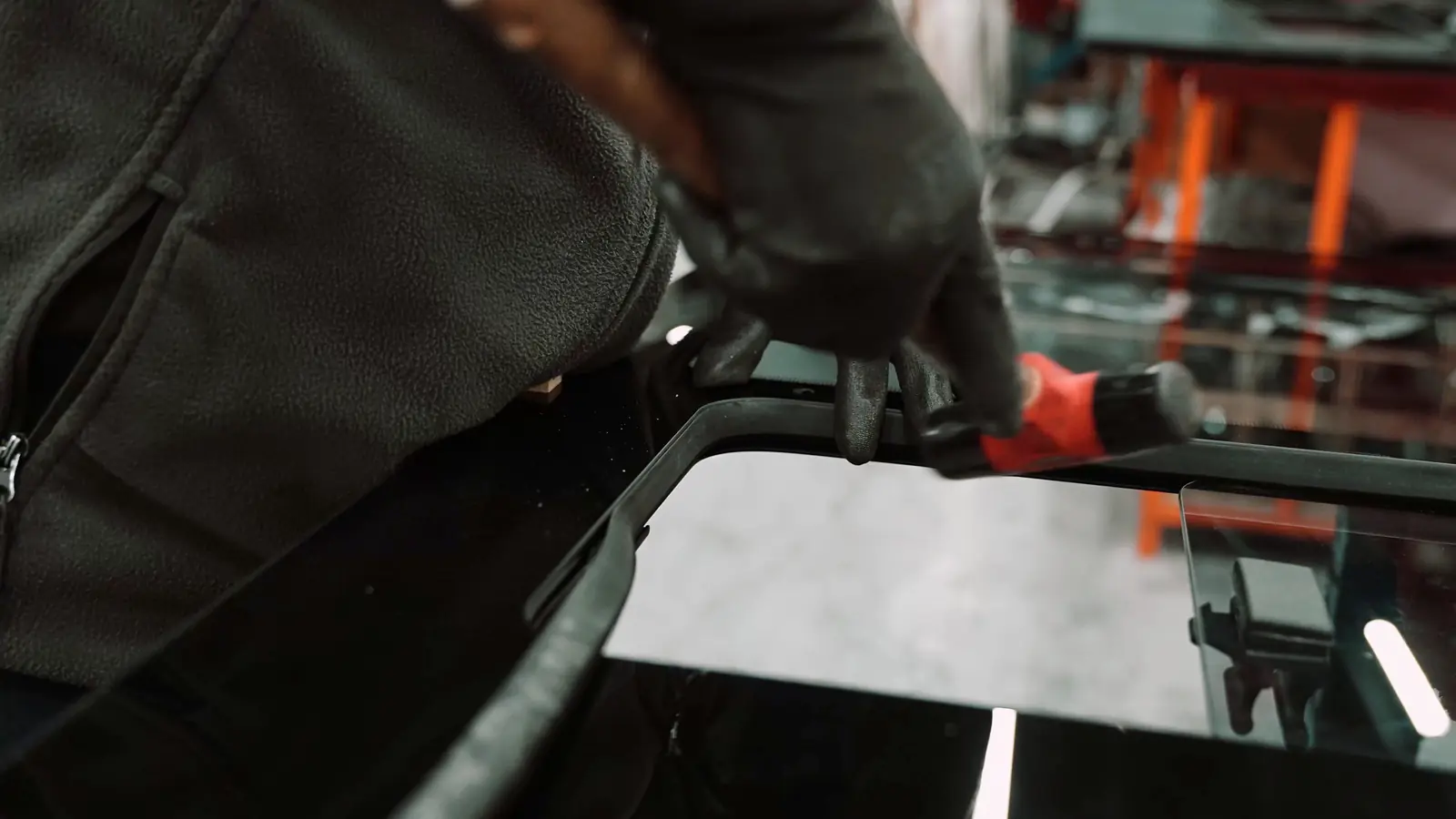
In a framed solution the glass is supplied with an aluminium profile around its edge. The profile makes it easier to place and fix the glass in the body opening. The profile section and the mounting method must match the vehicle maker’s system, so this information belongs in the quotation request.
Double glazing is a unit made of two panes with a gap between them. Its purpose is to reduce heat transfer compared with a single pane. Laminated glass is a different glass type again: two or more panes with a plastic interlayer. The production described here concerns toughened glass.
The three options do not compete with each other. Framing is a mounting solution, double glazing is a build-up, and toughened glass is a glass type that can sit inside both. When deciding, look at the opening and mounting system first and the pane build-up second.
03 / 06
Which details does a caravan glass quotation need?
A glass maker first wants to understand the application. When the details below arrive complete, the technical review is faster and the risk of misunderstanding drops.
- Vehicle or project type: travel trailer, motorhome, panel-van conversion or mobile unit
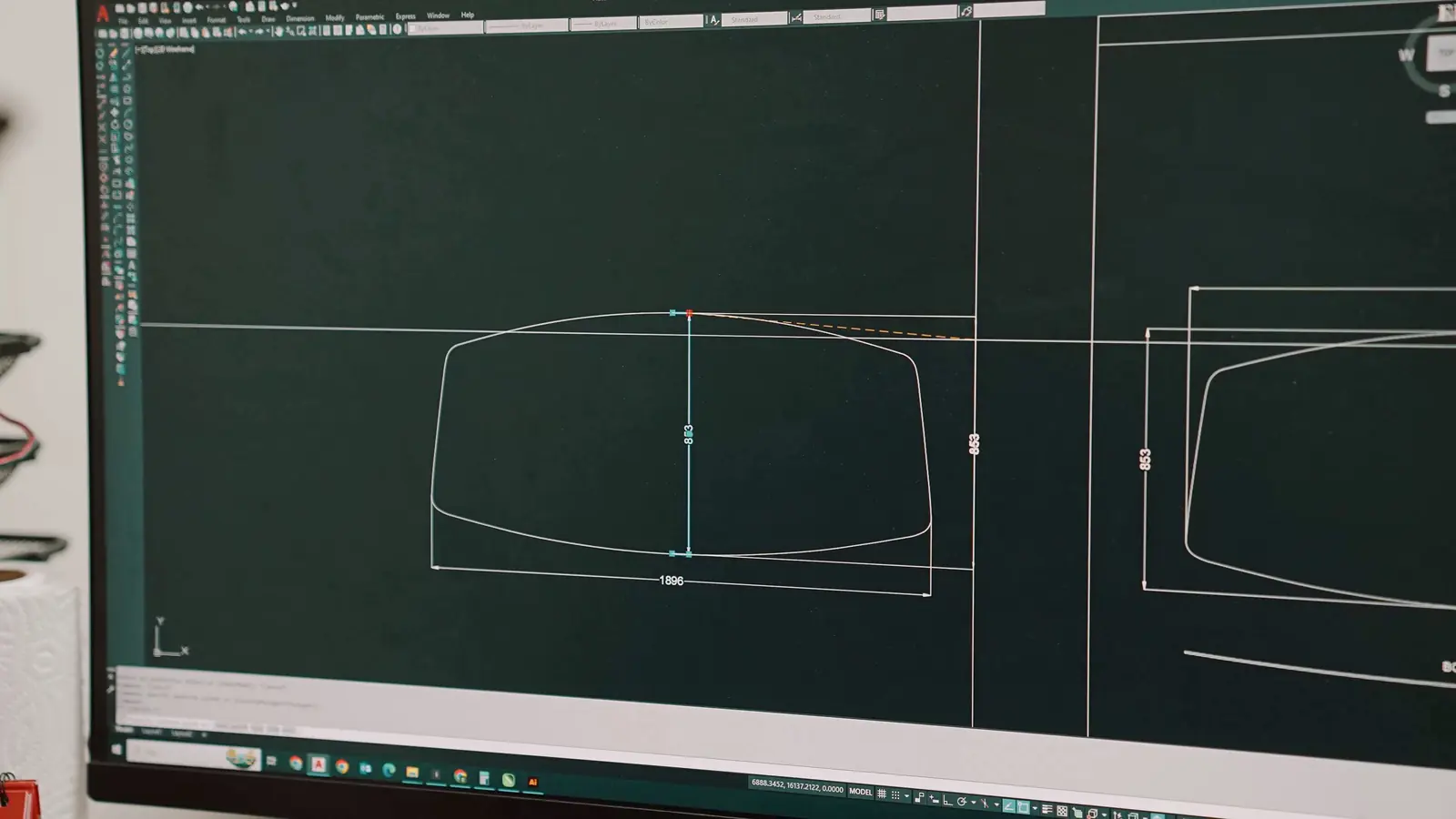
- Glass size and mounting opening, ideally as a DXF, DWG or PDF drawing
- Inner and outer face and orientation
- Quantity, colour, screen printing and frame expectations
- Secondary processing such as holes, cut-outs and edge finish
- Target schedule
If there is no drawing, a dimensioned sketch, clear photographs or the old part can be a starting point. For curved glass in particular a tape-measure reading is not enough; a template or the old pane is a more reliable reference.
- 01Vehicle or project type
- 02Size and mounting opening (DXF, DWG, PDF)
- 03Inner and outer face
- 04Quantity, colour, screen printing, frame
- 05Holes, cut-outs and secondary processing
04 / 06
Is double glazing suitable for every caravan?
Not always. A UK government fact sheet written for homes states that heat is lost through single glazing about twice as fast as through standard double glazing. That figure refers to house windows, and the heat conditions in a caravan differ, but it shows the principle: a second pane slows heat transfer.
In a caravan double glazing has a price in thickness and weight. The unit contains two panes and a gap, so it is thicker and heavier. The existing body opening and frame system must be able to carry that thickness and weight.
For this reason the decision on double glazing is made in technical review, together with the opening, the frame system, the weight and the expected use. Condensation cannot be solved by glass alone either: the same fact sheet stresses that ventilation helps to reduce condensation.
05 / 06
Why are colour, screen printing and secondary processing specified first?
Screen printing means applying a ceramic pattern or black band to the glass surface. In a caravan the band is mostly used to hide the bonding area and the frame edge. The print is fired onto the glass during tempering, so it cannot be added afterwards.
The same order applies to cutting, holes and edge finishing. Toughened glass cannot be cut, drilled or edge-ground after toughening. Holes for locks, handles or hinges and the corner radii must be fixed before production.
The colour should also be settled at the start. The tint of the glass changes the light entering the interior and how visible the inside is from outside. When one project has several windows, the colour information should come from a single source so that the tones match.
For projects that need sample approval, checking colour, print and edge appearance on a single part before series production leads to fewer surprises.
06 / 06
How does Ekol Glass assess caravan glass requests?
Ekol Glass treats caravan glass as one of its product families. Production takes place at the plant in Yıldırım, Bursa, and the process covers CNC and precision cutting, glass processing such as edging and water-jet, screen printing, tempering, framing and double-glazing applications.
A quotation needs the application, the vehicle or project identifier, the dimensions or a DXF, DWG or PDF drawing, quantity, colour, thickness, secondary processing and the target schedule. Specifications are confirmed during technical review.
Quality control starts with a review of the technical data. In-process checks follow at cutting, processing, screen printing and tempering, and tempered batches are followed by a fragmentation test and process verification. Tolerances and thickness options are confirmed per project.
Frequently asked questions
Should caravan window glass be toughened?
Toughened glass is widely used on vehicles because it is single-ply safety glass that breaks into small pieces. Which glass type is suitable depends on the vehicle type, the market and the application. When you request a quotation, state the intended use and any approval expectation so the technical review can take it into account.
Can a frame be supplied with caravan glass?
A framed solution can be assessed per project. The profile section, corner radius and mounting method must match the vehicle system. Share the profile expectation and the body opening in the quotation request; suitability is confirmed during technical review.
Can holes be drilled in toughened caravan glass later?
No. Toughened glass cannot be cut, drilled or edge-ground after toughening. Lock or handle holes, corner radii and edge finish must be defined before tempering, so they should appear on the drawing at quotation stage.
How can a replacement for an old caravan window be ordered?
Share clear photographs, measurements and, if possible, the old part or a template. Add the size of the body opening and the inner and outer face. A dimensioned sketch is enough to start when no drawing exists; details are verified in technical review.
Next reads
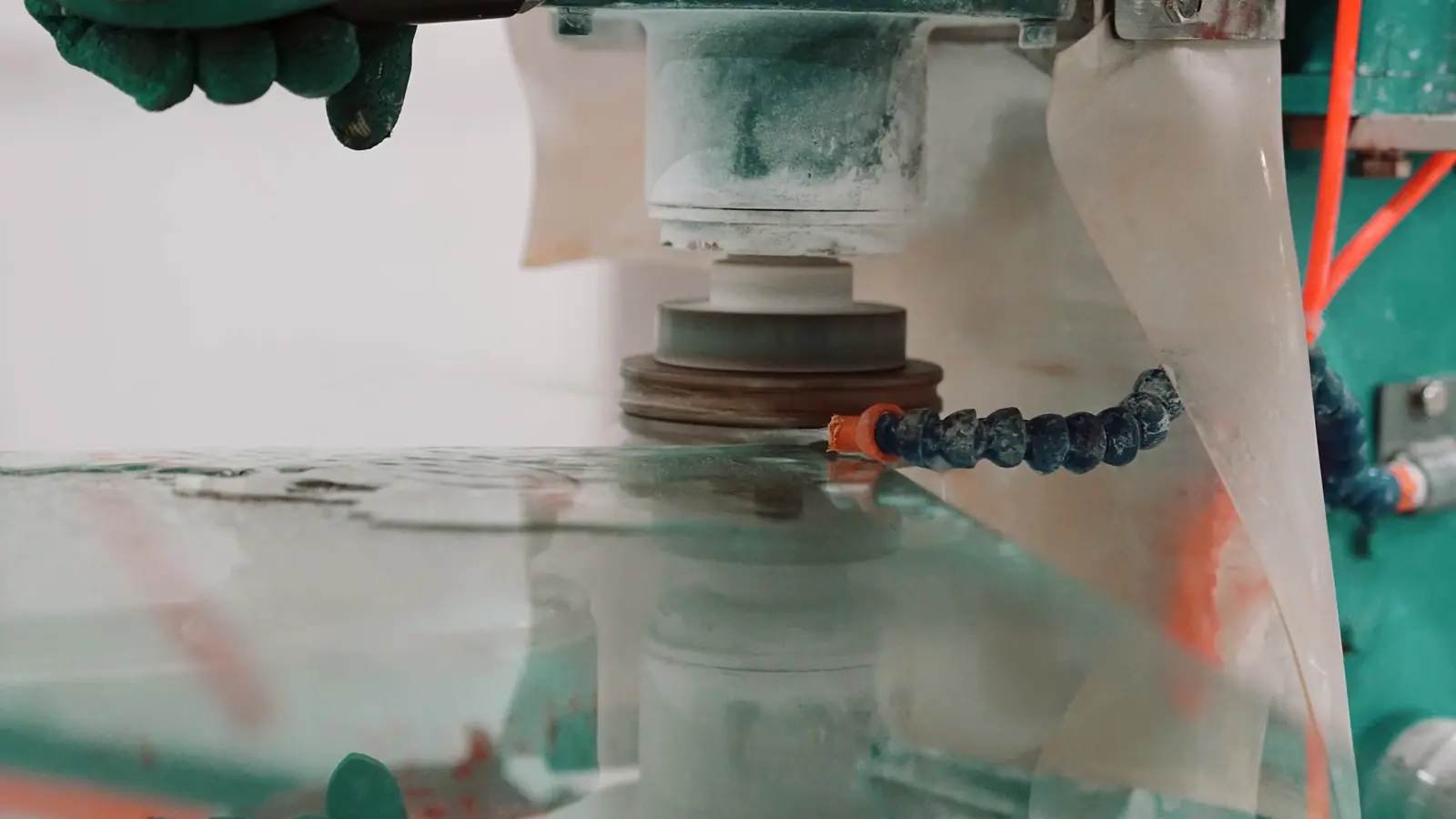
Why is edge damage risky for tempered glass? Edge finishing, handling and checks
A small chip or burr on the edge of tempered glass can reduce the strength that heat treatment gives. How edges are finished, why they cannot be reworked after tempering, and how to protect them.
Read article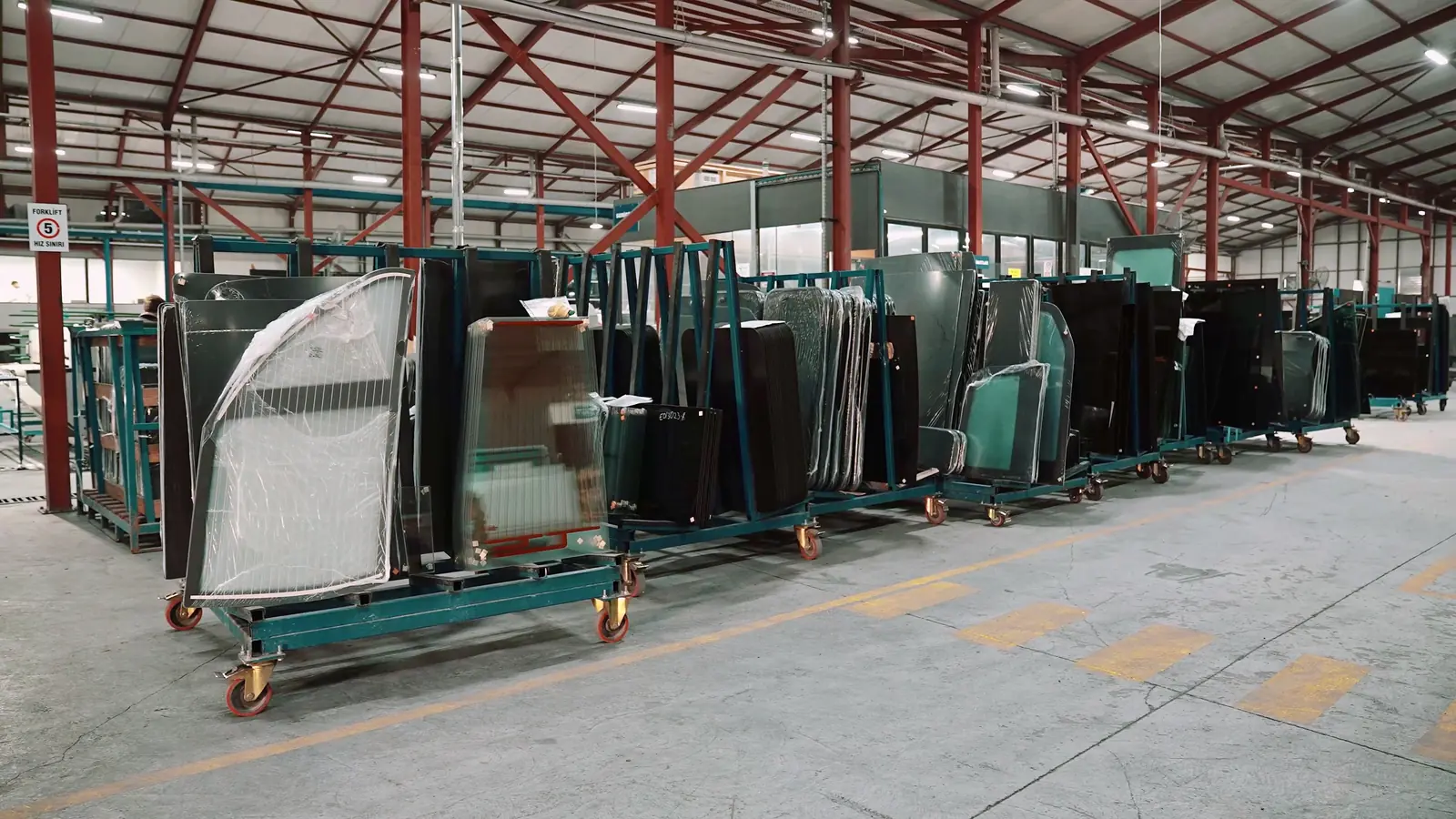
Technical toughened glass for machines and equipment: what to expect
What to know before choosing toughened glass for machines, equipment and vehicles: strength, order of processing, bow and roller waves, iridescence, marking and records, explained from open sources.
Read article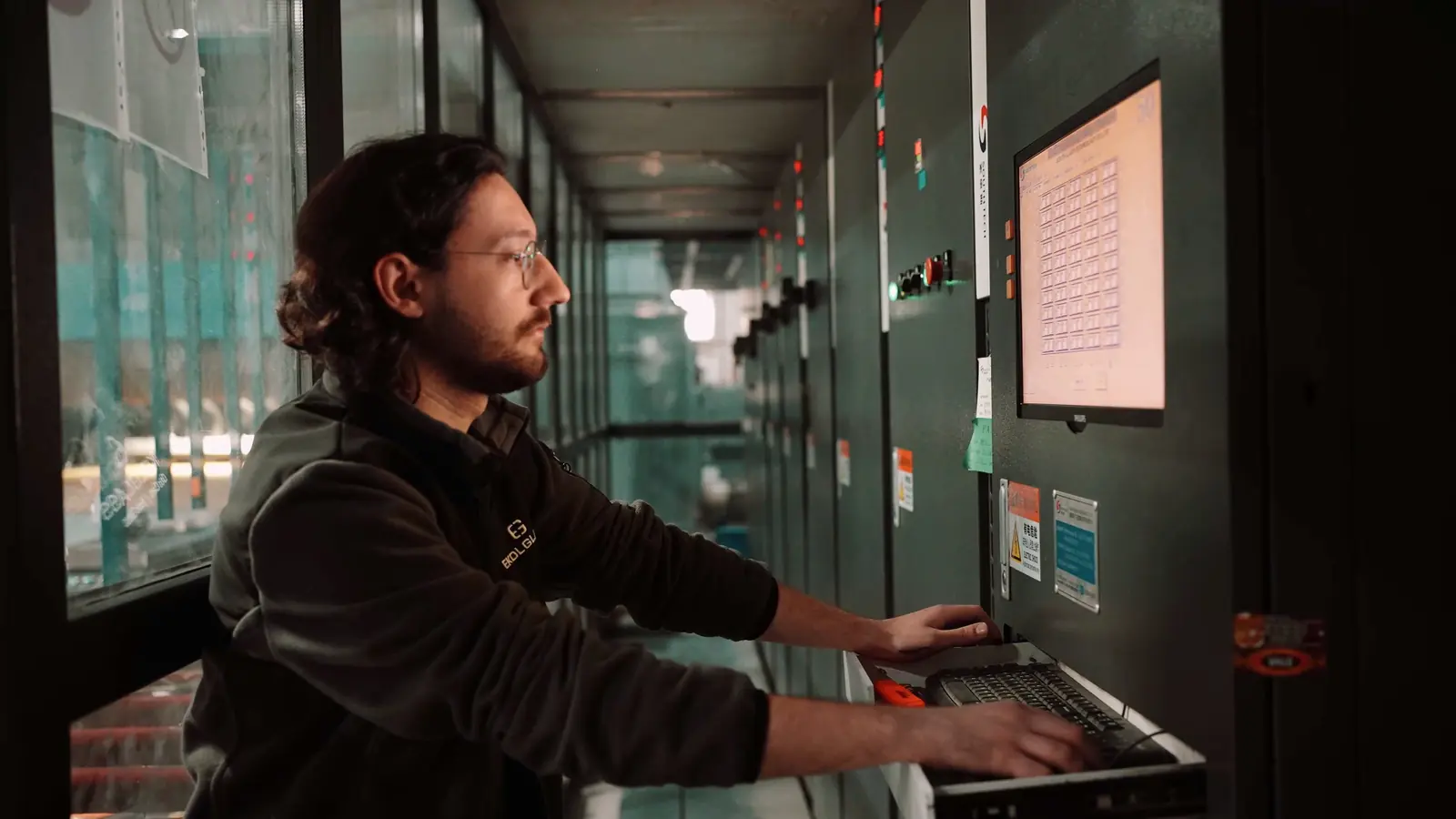
How is glass tempered? From heating to rapid cooling, step by step
Tempered glass is made by heating flat glass and cooling it rapidly with air. This article explains, from open sources, what the process changes inside the glass and why cutting, edging and drilling must be finished before tempering.
Read article