
Anyone shipping glass to the US, or ordering glass for a vehicle built for that market, soon meets the same questions: what is FMVSS 205, and what does the DOT marking on the glass mean? This article relies on the text of the standard and on a Federal Register notice from NHTSA. It explains the scope, the link to ANSI/SAE Z26.1, the tests that matter for tempered glass and the DOT mark in plain language. It is not an approval or an official ruling; it helps you ask the right questions before a quotation discussion.
01 / 06
What is FMVSS 205 and what does it regulate?
FMVSS stands for Federal Motor Vehicle Safety Standards, the US federal rules for vehicle safety. Standard No. 205 covers glazing materials. According to its scope clause, it specifies requirements for glazing materials used in motor vehicles and motor vehicle equipment.
The purpose clause names three aims:
- reduce injuries caused by impact with glazing surfaces,
- ensure the transparency that drivers need for visibility,
- minimise the chance that occupants are thrown through windows in a crash.
The standard applies to passenger cars, multipurpose passenger vehicles, trucks designed to carry at least one person, buses, motorcycles, slide-in campers, pickup covers designed to carry persons while in motion and low speed vehicles. So it is not limited to car glass; bus and camper glazing fall inside it too.
02 / 06
How does it relate to ANSI/SAE Z26.1?
The core requirement is short: glazing materials must conform to ANSI/SAE Z26.1-1996 unless the standard says otherwise. Z26.1 is incorporated by reference, so most technical tests come from that document.
NHTSA’s 2012 Federal Register notice summarises it. Z26.1 describes 20 different “items” of glazing and includes 31 test procedures. Each item is defined by the set of tests it must pass, and that set varies with the vehicle type and the location of the glass in the vehicle.
The same notice makes an important point. Later editions of the ANSI standard do not become part of FMVSS 205 until NHTSA runs a rulemaking that names them. The 2023 CFR text points to the 1996 edition, so check the current official text at the start of a project.
03 / 06
Which tests matter for tempered glass?
The NHTSA notice lists the tests in Z26.1. These stand out for tempered glass:
- a light stability test: the glass keeps its luminous transmittance after long exposure to sunlight,
- a 70 percent luminous transmittance requirement for glazing in areas requisite for driving visibility,
- a half-pound ball impact test: a minimum resistance to small external objects,
- a fracture test: limiting the risk of injury from fragments of broken glass,
- shot bag and dart drop tests: a minimum resistance to large and small objects.
The standard itself also requires each tempered test specimen to meet the fracture test requirements of Z26.1. NHTSA’s position is that, for passenger cars, all windows in the passenger compartment are requisite for driving visibility.
For windshield shade bands, the standard offers two routes: SAE J100, or a lower-boundary plane based on the coordinate system and point V1 in the annexes of ECE Regulation No. 43.
04 / 06
What do the DOT symbol and the manufacturer code mean?
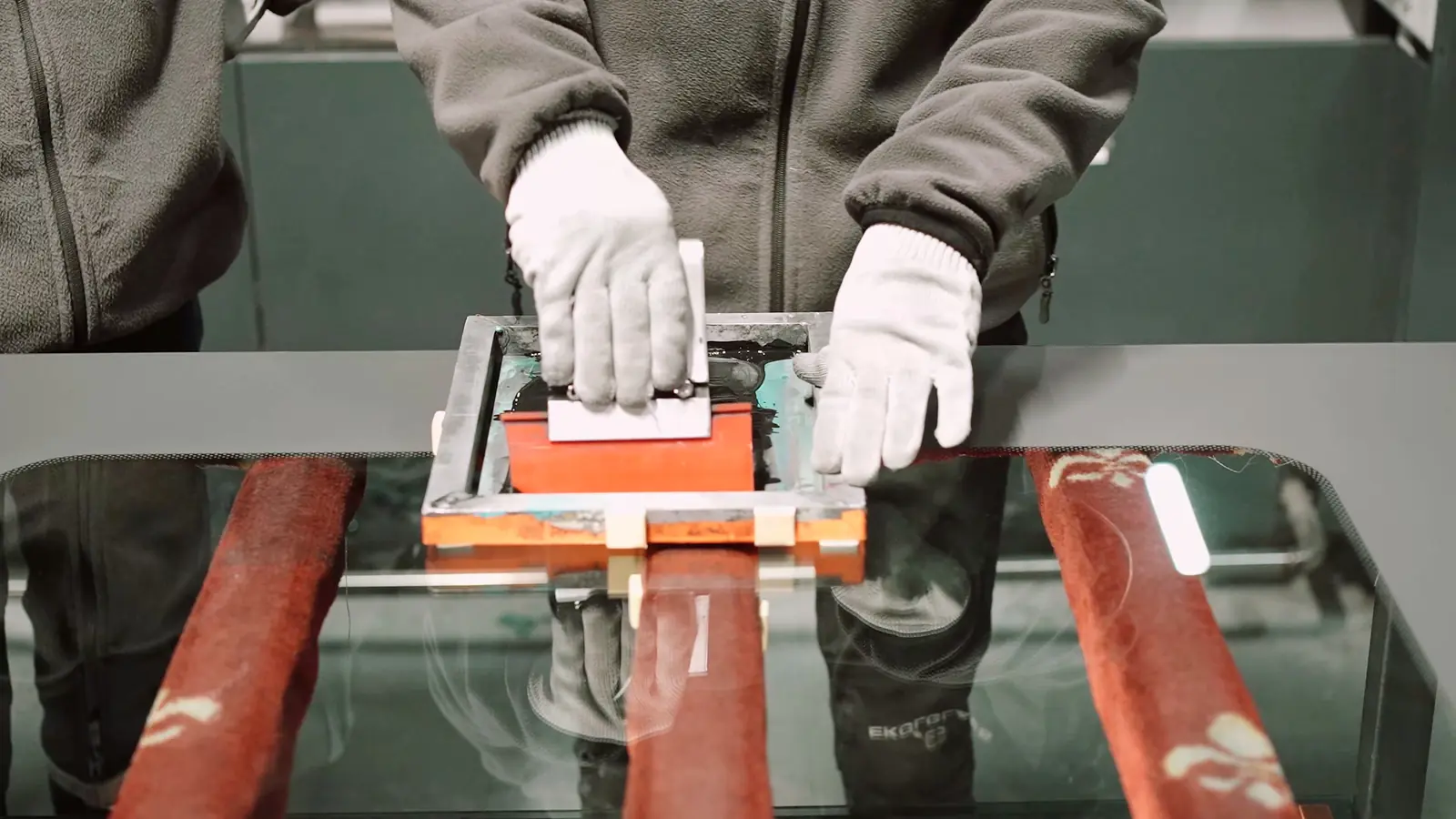
Under the certification section, a “prime glazing manufacturer”, meaning one that fabricates, laminates or tempers glazing, must certify each piece of glazing that falls within the standard. It does so by adding the symbol “DOT” and a code mark assigned by NHTSA to the marks required by section 7 of Z26.1.
NHTSA assigns the code after the manufacturer sends a written request. The request includes the company name, the address and a statement that the company is a prime glazing manufacturer.
One point deserves attention: the code is an identification mark for the manufacturer. By itself it is not a product approval. The duty to certify conformity stays with the manufacturer.
05 / 06
What about replacement glass and glass cut from larger sheets?
Replacement glazing is covered as well. The standard requires aftermarket glazing to meet either this standard or the requirements that applied to the glass being replaced.
A manufacturer or distributor that cuts a section of glazing for use in a motor vehicle also carries responsibility. According to the text, it must mark the cut piece in line with section 7 of Z26.1 and certify that the product complies with the standard. The party that cuts is therefore not outside the chain.
In an export discussion, it helps to clarify not only which glass is needed but also who cuts it, who marks it and who certifies it.
06 / 06
Where does Ekol Glass stand, and what should a request include?
NHTSA DOT 1351 is the manufacturer identification code assigned to the Bursa plant; it is not a product approval by itself. Ekol Glass manufactures toughened (single-ply tempered) safety glass for vehicles and custom projects. Its ECE R-43 conformity document is valid until 19 September 2027. Tempered batches are followed by a fragmentation test and process verification.
For a glass enquiry aimed at the US market, these points speed up the discussion:
- the vehicle type and the position of the glass in the vehicle,
- the application, quantity and the marking you need,
- dimensions or a DXF, DWG or PDF drawing,
- colour, thickness and secondary processing.
Specifications are confirmed during technical review, and tolerances and thickness options are confirmed per project. Which item class a given part falls into in the US should be confirmed from the official text by the importer and the project owner.
Frequently asked questions
Is FMVSS 205 the same as UN R43?
No. FMVSS 205 is the US federal glazing standard, while UN R43 is a separate regulation. One option in the FMVSS 205 text for windshield shade bands uses the coordinate system from the annexes of ECE Regulation No. 43, but the two documents do not replace each other. Which one applies depends on the target market and the importer’s requirements.
Is every piece of glass marked DOT compliant with the US standard?
The DOT symbol and manufacturer code are part of the marks with which the manufacturer certifies the glass to the standard. The code itself only identifies the manufacturer and is not a product approval. Responsibility for conformity lies with the certifying manufacturer.
Does FMVSS 205 also apply to replacement glass?
Yes. The standard requires aftermarket glazing to meet either this standard or the requirements that applied to the glass being replaced. A party that cuts glazing for use in vehicles must mark each cut piece and certify that it complies.
Are bus and camper windows covered by FMVSS 205?
The application clause lists buses, slide-in campers and pickup covers designed to carry persons while in motion, so the standard is not limited to car glass. Which glass may be used in which position should be confirmed from the text of Z26.1 and FMVSS 205.
Next reads

Laminated or tempered automotive glass? Start with the vehicle specification
The words “laminated” and “tempered” are not enough for a reliable quote. Identify the exact pane, vehicle reference and approval scope first.
Read article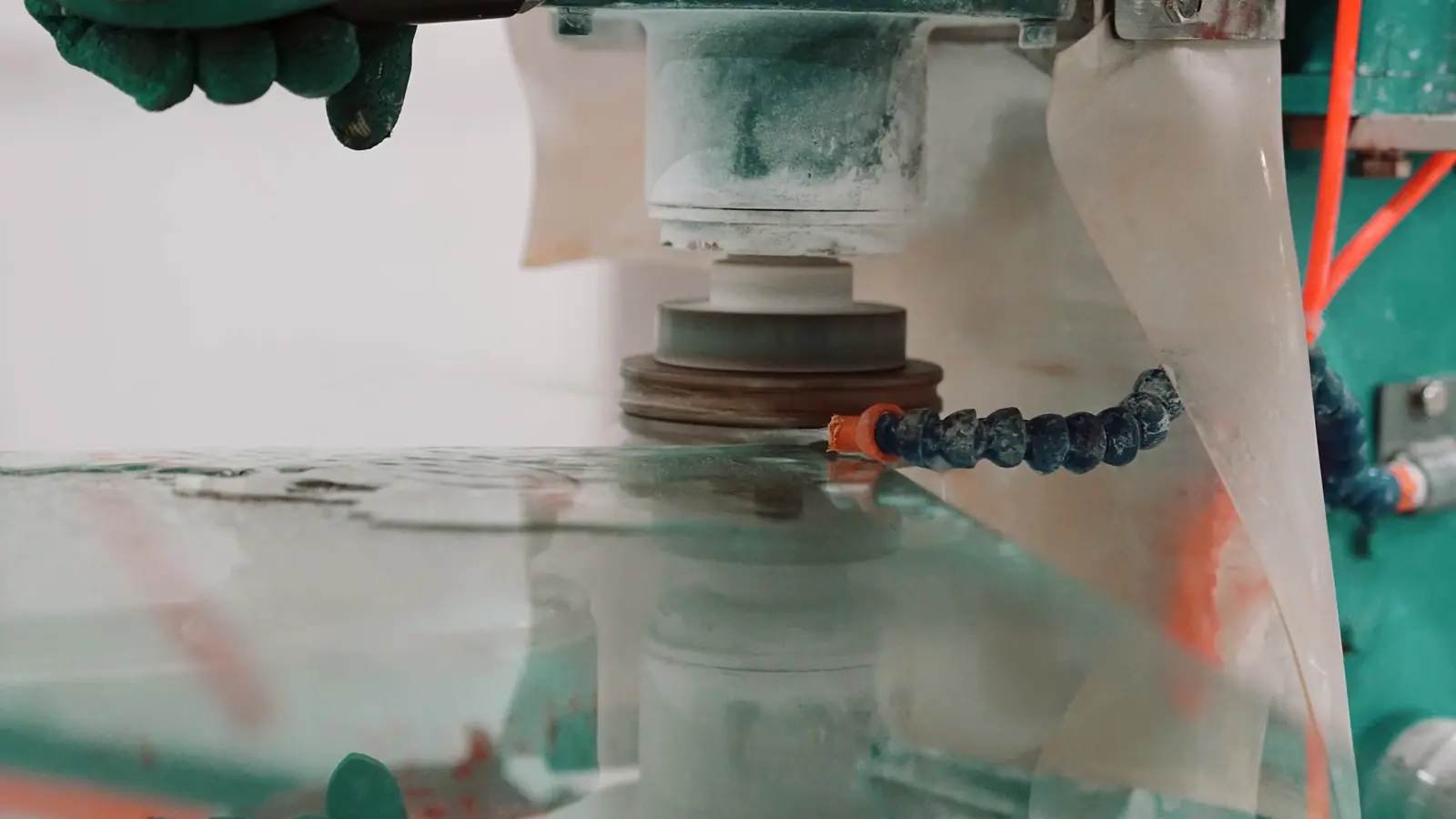
Why is edge damage risky for tempered glass? Edge finishing, handling and checks
A small chip or burr on the edge of tempered glass can reduce the strength that heat treatment gives. How edges are finished, why they cannot be reworked after tempering, and how to protect them.
Read article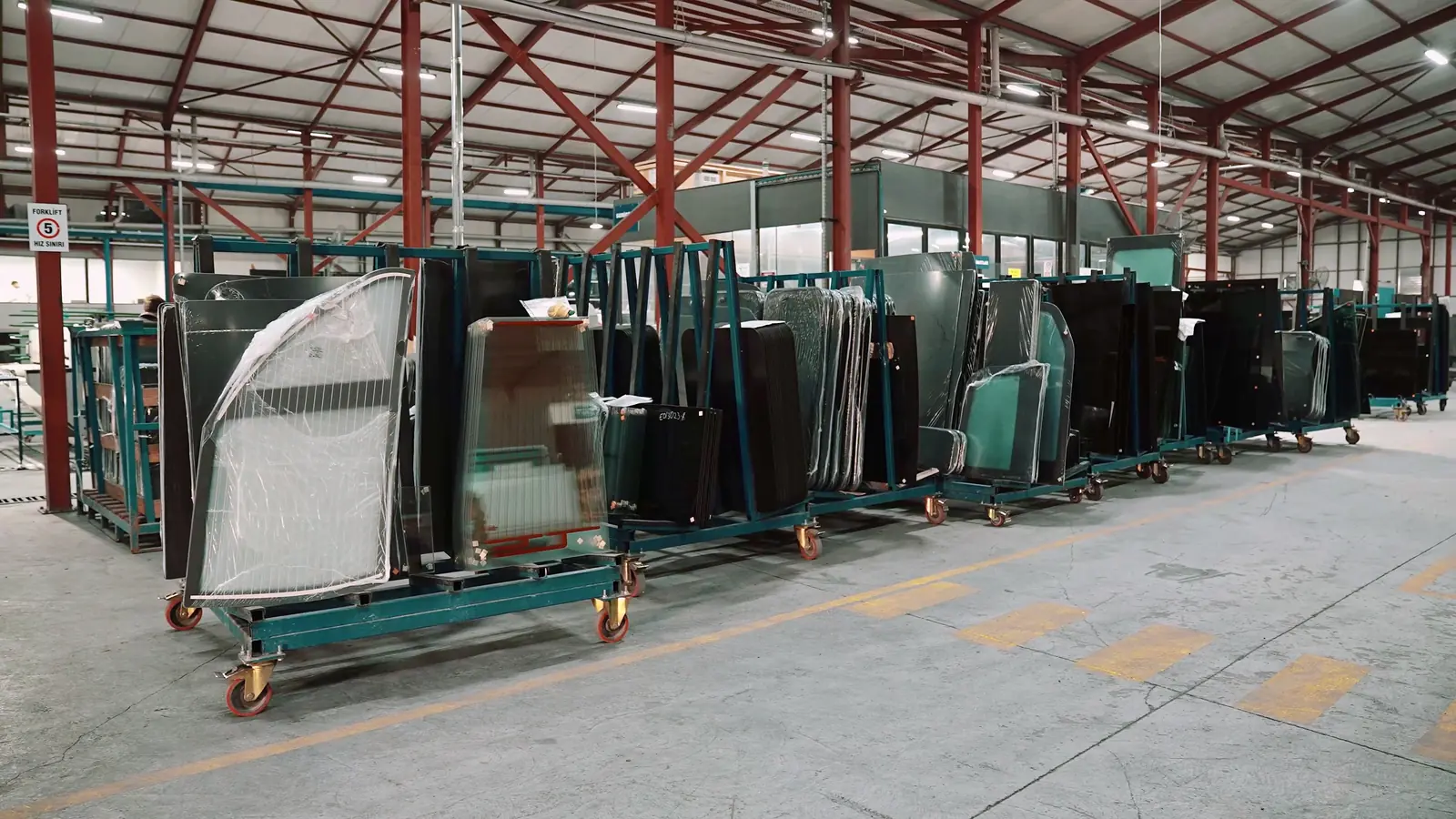
Technical toughened glass for machines and equipment: what to expect
What to know before choosing toughened glass for machines, equipment and vehicles: strength, order of processing, bow and roller waves, iridescence, marking and records, explained from open sources.
Read article